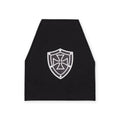

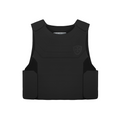
Puha páncél
Kézifegyver
Kézifegyver elleni védelem NIJ IIIA, VPAM 3, SK1 és HOSDB HG2 szintekhez rendelve. Rugalmas puha páncéllal lefedhető.
- NIJ
- IIIA
- VPAM
- 3
- SK
- SK1
- HOSDB
- HG2
Páncélmegoldás
Puha páncélmellény vagy betét
Vásárlás kategória szerint

Hasonlítsa össze a kézifegyveres, puskakaliberű és páncéltörő puskakaliberű védelmi szinteket az NIJ, VPAM, SK és HOSDB szabványok szerint — majd válassza ki a valós fenyegetéshez megfelelő páncélmegoldást.
Egy fenyegetés. Különböző szabványok. Egy egyértelmű választás.
Kezdje a várható fenyegetéssel. Olvassa végig a sort, hogy lássa az egyes szabványokban legközelebb álló osztályt és az ajánlott páncélmegoldást.
Kézifegyver elleni védelem NIJ IIIA, VPAM 3, SK1 és HOSDB HG2 szintekhez rendelve. Rugalmas puha páncéllal lefedhető.
Puskakaliberű fenyegetések NIJ III, VPAM 7, SK3 és HOSDB RF1 szintekhez rendelve. Kemény ballisztikai lemezeket igényel.
Páncéltörő puskakaliberű fenyegetés NIJ IV, VPAM 9, SK4 és HOSDB RF2 szintekhez rendelve. Kemény kerámialemezeket igényel.
Az NIJ, VPAM, SK és HOSDB nem közvetlen megfelelői egymásnak — ez a táblázat az egyes fenyegetési szintekhez legközelebb álló gyakorlati osztályt mutatja. A repeszek külön szerepelnek V50 értékként a STANAG 2920 szerint.
| Fenyegetés | NIJ | VPAM | SK | HOSDB | Páncélmegoldás |
|---|---|---|---|---|---|
| KézifegyverPisztoly- és revolverfenyegetések | IIIA | 3 | SK1 | HG2 | Puha páncélRugalmas mellények, rejtett viselésű hordozók, puha panelek. |
| PuskakaliberStandard puskakaliberű fenyegetés | III | 7 | SK3 | RF1 | Kemény lemezekMerev lemezek plate carrier rendszerekben. |
| Páncéltörő puskakaliberPáncéltörő puskakaliberű fenyegetés | IV | 9 | SK4 | RF2 | Kerámia kemény lemezekMagas szintű kerámialemez-konfiguráció páncéltörő fenyegetésekhez. |
| RepeszekRobbanásból származó és másodlagos repeszek | V50 / STANAG 2920 | Puha páncélA V50 követelményt közvetlenül a repeszfenyegetési profil alapján kell értékelni. | |||
Először a fenyegetést vegye alapul. A puha páncél a kézifegyveres fenyegetéseket fedi le. A kemény lemezek a puskakaliberű fenyegetések ellen szükségesek. A kombinált rendszer magasabb kockázatú feladatokhoz való, ahol a lefedettség és a fenyegetés fokozódása egyaránt számít.
Magasabb kockázatú feladatokhoz kombinálja a puha páncélt és a kemény lemezeket, hogy egyszerre csökkentse a fenyegetési és lefedettségi réseket.
Ugyanaz a tanúsítási szint nagyon eltérően viselhető a mobilitási igényektől, a viselési időtől és a várható fenyegetési szint emelkedésétől függően.
A rejtett viselést, a kényelmet és a hosszabb viselési időt helyezi előtérbe ott, ahol a puskakaliberű fenyegetés fokozódása nem valószínű.
Fókusz: Diszkrét, mobil, egész nap viselhető
Rugalmas kézifegyver elleni alap, egyértelmű bővítési lehetőséggel lemezes védelemre, ha a puskakaliberű fenyegetés kockázata nő.
Fókusz: Modularitás és gyors szintemelés
Puskakaliberű és páncéltörő puskakaliberű fenyegetések esetén a hangsúly a kemény lemezekre és a lefedettség megtervezésére kerül.
Fókusz: Létfontosságú zónák védelme magasabb fenyegetési szint mellett
Az alacsonyabb szinteket eltávolítottuk, mert nem forgalmazunk ilyen besorolású termékeket. A mátrix IIIA szintről indul, hogy azt tükrözze, amit ténylegesen kínálunk.
Ezek kapcsolódó szabványok, és mindkettőt széles körben használják Európában. Egymás melletti megjelenítésük segít gyorsan összehasonlítani őket anélkül, hogy a táblázat különböző részei között kellene keresgélni.
Nem. A HOSDB — jelenleg CAST — külön szabvány, eltérő tesztprotokollokkal. Ez a mátrix a legközelebbi gyakorlati osztályokat használja: HG2 kézifegyveres fenyegetéshez (IIIA), RF1 puskakaliberhez (III) és RF2 páncéltörő puskakaliberhez (IV).
A repeszeket a STANAG 2920 szerinti V50 alapján értékelik — ez eltérő módszertan, mint az osztályalapú rendszerek. A repeszek sora a szabványoszlopokat egyetlen V50 hivatkozássá vonja össze, mert nincs közvetlen NIJ vagy HOSDB osztálymegfelelője.
Csak kézifegyveres fenyegetések esetén a puha páncél általában elegendő. Puskakaliberű fenyegetésekhez kemény lemezek szükségesek. Magas kockázatú vagy repeszterhelt környezetben a kombinált rendszer — lemezek puha páncéllal együtt — biztosítja a legjobb lefedettséget.
Mondja el a várható fenyegetést, a feladat típusát és a szükséges lefedettségi területet. Segítünk kiválasztani a megfelelő Shield Defence Solution konfigurációt.